Turn Kids’ Rooms into Sustainable Story Worlds

Welcome! Today we explore teaching sustainability at home by weaving story-based eco design into kids’ spaces, transforming bedrooms and play corners into imaginative environments that nurture empathy for nature, reduce waste, and spark lifelong curiosity. Expect actionable ideas, friendly science, and playful projects your family can start this week without expensive renovations.

Choosing a Guiding Story

Pick a simple, uplifting narrative with a character your child loves—an adventurous seed, a curious river otter, or a friendly wind explorer. Let the character face relatable home challenges such as tidying, saving power, and reusing materials. This narrative scaffolding turns daily habits into repeatable chapters, encouraging ownership and reflection rather than rules.

Aligning Space with Values

Translate the story’s values into tangible features: a “nest nook” for reading about wildlife, a “resource chest” for sorting recyclables, and an “energy lighthouse” reminding kids to switch lights off. When values visibly shape furniture placement, storage systems, and color cues, children sense coherence between what they hear, what they see, and how they behave each day.

Designing with Nature and Safety in Mind

A child’s room should feel airy, safe, and welcoming, while quietly modeling resource-smart choices. Favor durable, repairable pieces, low-VOC finishes, and natural fibers. Introduce plants, daylight, and fresh air to support calm focus. Every design decision becomes a gentle, daily reminder that comfort, health, and planetary care can live together without compromising joy or creativity.

Upcycled Treasure Shelf

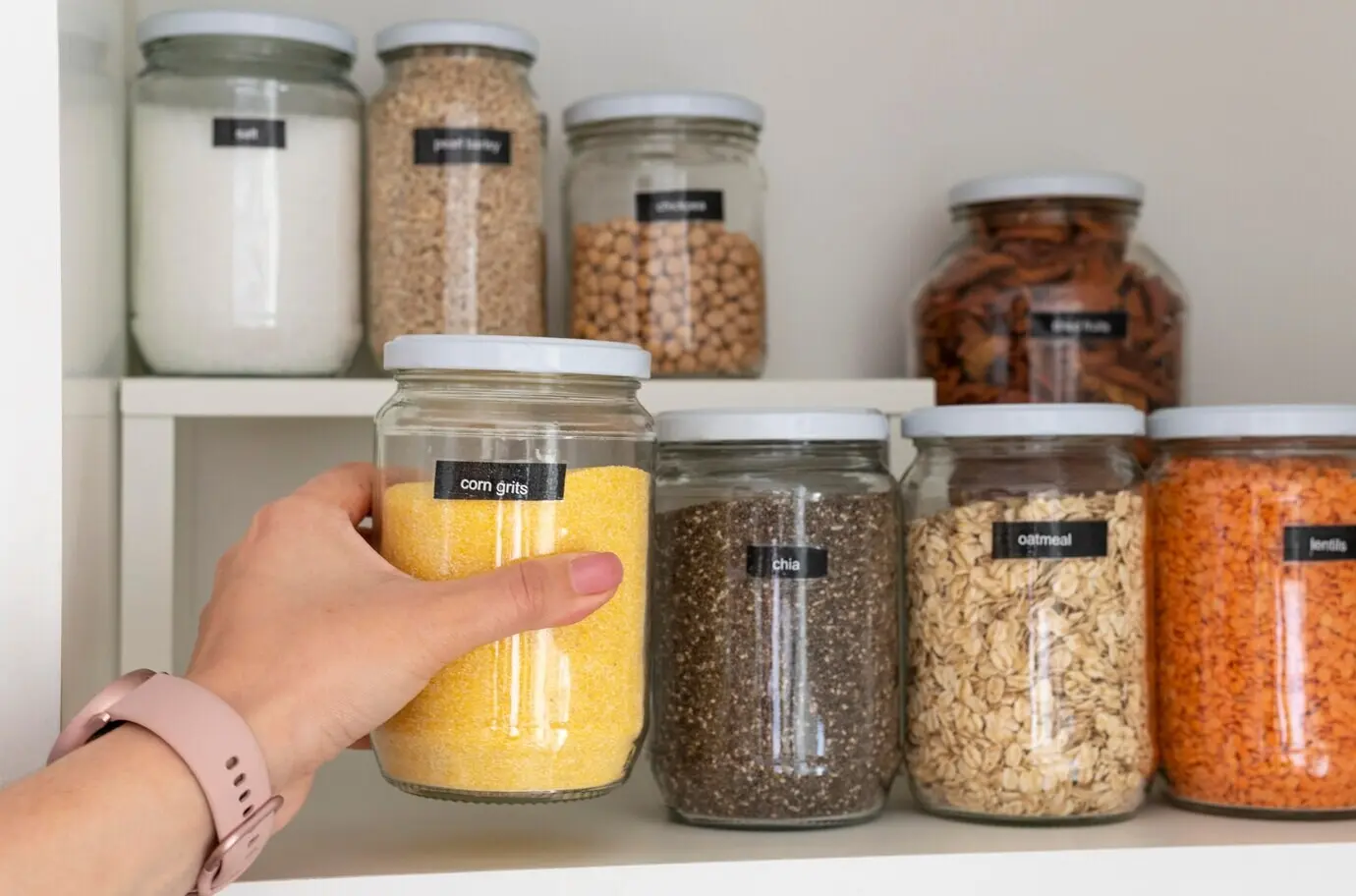
Turn a discarded crate into a display for nature finds and handmade crafts. Clean, sand, and paint with low-VOC colors, then label each cubby with playful names like “Feather Library” or “Pebble Observatory.” This project teaches tool safety, finish choices, and the value of giving materials another life, while showcasing achievements children feel proud to curate.

Solar-Powered Night Companion

Create a tiny, child-safe solar lantern from a kit, adding a paper shade illustrated with the room’s favorite character. Discuss how sunlight becomes electricity and why storage matters. Nightly rituals—charging by the window, then reading together—turn invisible systems into friendly routines, cementing understanding through comfort, predictability, and a soft glow that honors resourcefulness.

Habits through Play, Rituals, and Gentle Cues

Sustainable habits stick when they feel playful, social, and meaningful. Use cues, rituals, and light gamification to turn routine tasks into collaborative adventures. By tying every repetition to the ongoing narrative, children gain mastery and pride, discovering that caring for belongings, energy, and water creates more time, comfort, and space for imagination and friendship.

Gamifying Daily Tidying

Transform cleanup into a cooperative quest with a song, a two-minute sand timer, and treasure tags on storage bins. Each completed round earns a story card revealing a new challenge for tomorrow. This approach reduces nagging, reinforces categorization skills, and teaches that shared spaces stay friendly and inspiring when everyone contributes a little attention every day.

Visual Prompts that Teach Autonomy

Place small, friendly icons near switches, taps, and sorting stations as gentle reminders. Rotate designs every few weeks to refresh attention and invite conversation. These unobtrusive cues respect children’s competence, reduce parental micromanagement, and keep learning visible without moralizing, turning ordinary moments—washing hands, closing windows—into confident choices aligned with kindness and care.

Family Rituals that Celebrate Care

Schedule a short weekly circle to share wins, laugh about missteps, and pick a new mini-challenge. Light the solar lantern, read a paragraph from your guiding story, and acknowledge helpers. This positive rhythm links affection with responsibility, proving that supportive relationships make sustainable living feel like a warm, evolving adventure shared by everyone under one roof.

Connecting Stories to Science and Community

Linking the room’s narrative to real-world science strengthens understanding and purpose. Track small metrics, meet local caretakers of parks, and exchange ideas with neighbors. When children see their actions ripple beyond bedroom walls, they gain a grounded sense of agency, transforming private habits into community-minded participation rooted in evidence, empathy, and joyful curiosity.

Mini Dashboards for Energy and Waste

Use a child-friendly chart to track lights-off days, toy repairs completed, and paper reused for crafts. Celebrate streaks with new story stickers rather than material rewards. Over time, kids learn how data reflects choices, discovering that small improvements accumulate into meaningful patterns shaping comfort, resource use, and the health of creatures they care about.

Local Adventures that Deepen Care

Visit community gardens, libraries with repair events, or nature centers offering kid workshops. Let your child interview a gardener or ranger about soil, pollinators, and seasonal rhythms. Bring home a tiny practice—seed saving, compost observation—and integrate it into the room’s displays, turning fresh experiences into memories that continue teaching long after the excursion ends.

Books, Audio, and Gentle Media

Curate stories, podcasts, and songs that echo your room’s narrative without preaching. Rotate selections to reflect seasons and ongoing projects, inviting your child to recommend favorites. Use brief discussions to connect fictional moments with real choices at home, keeping media a springboard for action rather than a passive backdrop that fades without leaving insights.


Evolving the Space as Your Child Grows
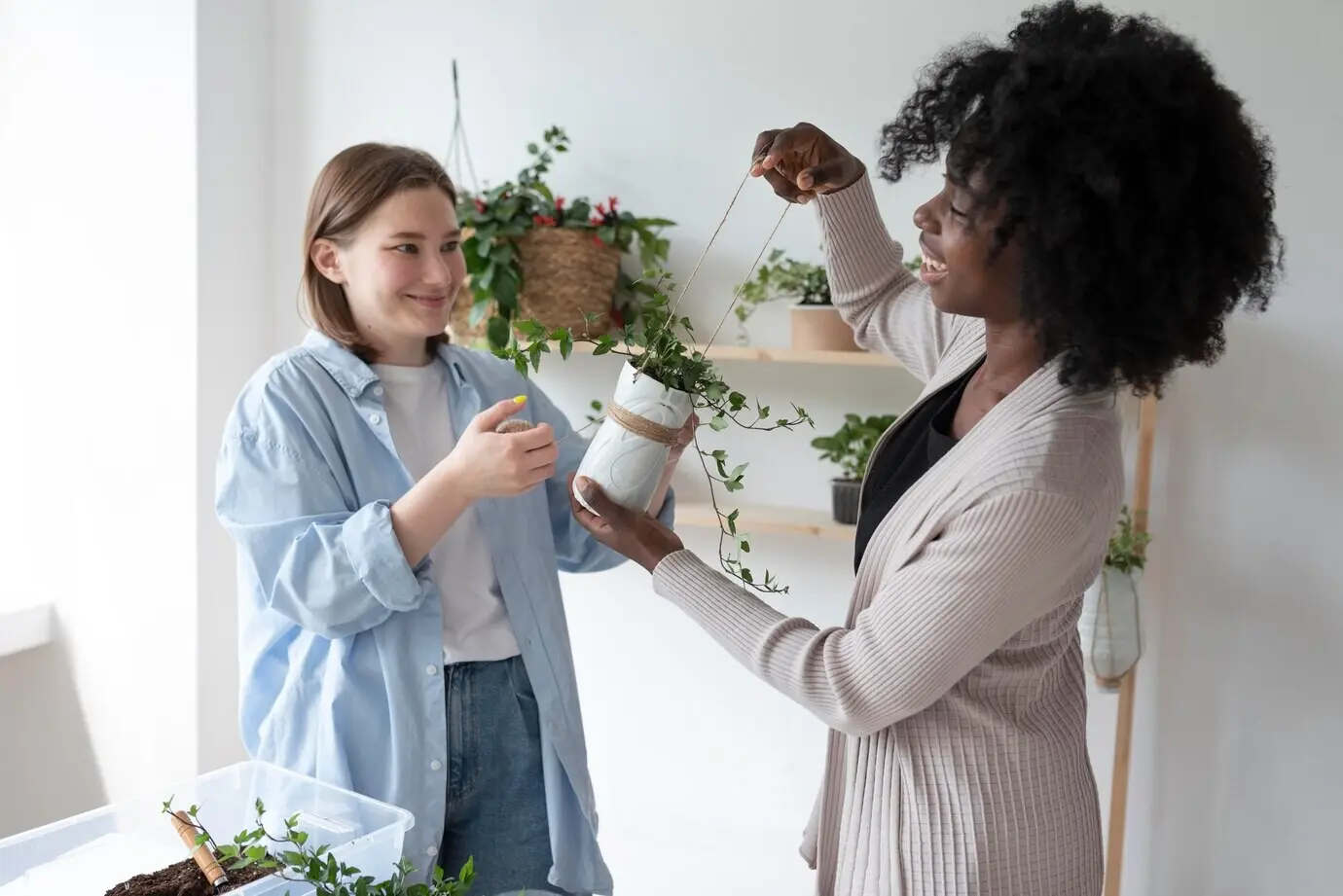
Children’s interests and abilities change quickly, and design should adapt while protecting resources. Refresh the narrative with new chapters, swap decor through sharing networks, and repurpose furniture instead of purchasing new items. This flexible approach keeps learning alive, stretches budgets, and models a creative mindset that values longevity, imagination, and collaborative problem-solving.

Showcase Your Space

Post a quick tour describing one design choice, one habit that stuck, and one snag you overcame. Honest reflections build trust and support. Seeing real rooms—imperfect, evolving, and full of love—helps other families feel confident starting small while still dreaming big about resilient, nurturing homes their children will remember fondly.

Ask for Feedback, Offer Tips

Invite suggestions on storage tweaks, lighting placement, or kid-safe tools. Offer your own discoveries in return, from favorite low-VOC brands to simple crafts that captivated a reluctant helper. That mutual encouragement turns isolated experiments into shared knowledge, accelerating progress and keeping momentum when busy schedules or setbacks threaten to stall meaningful change.
Pekipixoxanahavetima
Privacy Overview

This website uses cookies so that we can provide you with the best user experience possible. Cookie information is stored in your browser and performs functions such as recognising you when you return to our website and helping our team to understand which sections of the website you find most interesting and useful.