Homes That Speak: Sustainable Stories in Every Corner


Today, we explore Story-Driven Eco Interior Living, where personal narratives shape responsible choices and every material decision echoes care for people and planet. Expect practical guidance, heartfelt anecdotes, and science-backed insights that show how memories, reclaimed finishes, and living greenery can harmonize into restorative spaces. Share your story in the comments, subscribe for future journeys, and let’s build interiors that feel honest, resilient, and beautifully alive together.

Begin With Your Narrative, Build With Nature
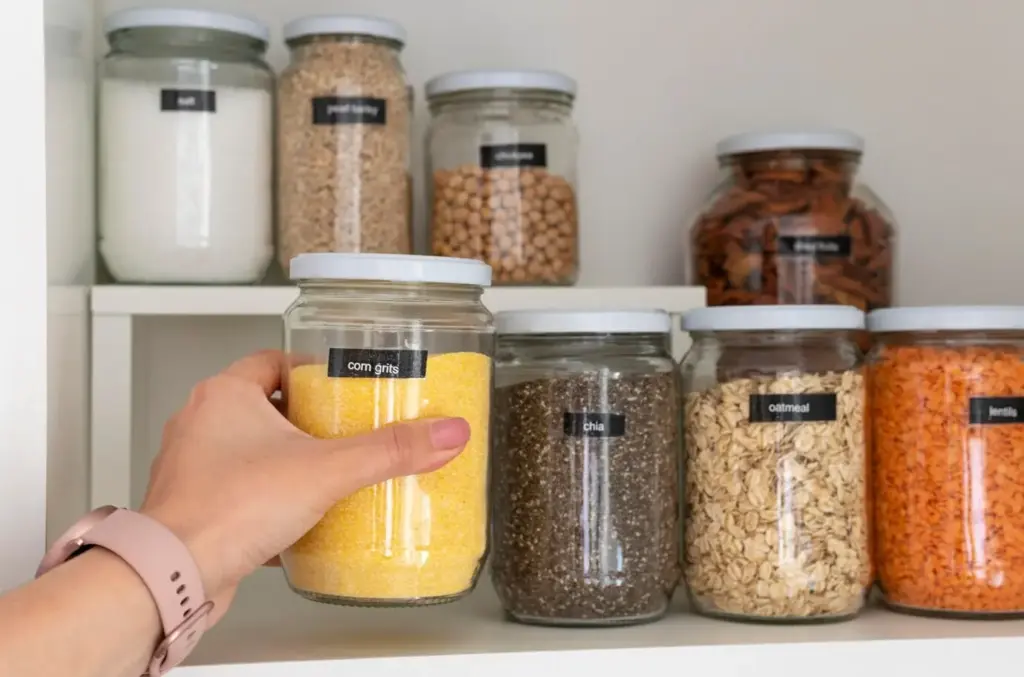
Start by naming the experiences you cherish—childhood kitchens, forest hikes, market stalls—then translate them into textures, colors, and objects that tread lightly on the earth. This approach aligns emotional resonance with ecological integrity, guiding choices like low-VOC finishes, natural fibers, and daylight-first layouts. When your values anchor every decision, rooms become invitations to breathe deeper, live slower, and honor the stories that made you. Share your guiding memory and tag us to inspire others.

Materials That Matter: Honest, Low-Impact, Traceable

Reclaimed and Reimagined

Hunt for salvaged timbers, architectural relics, and vintage hardware, then rework them into shelving, tabletops, and frames. Older woods often mean tighter grain and remarkable durability, while reusing components reduces landfill waste and carbon demand. Celebrate scars as narrative markers, preserving stamps or nail holes where safe. Partner with local reclaim yards and craftspeople to trace provenance, ensure stability, and craft pieces that marry rugged history with renewed purpose.

Healthy Surfaces and Finishes

Favor mineral paints, natural oils, and plant-based waxes to reduce indoor pollutants and support healthier respiration. Choose finishes that cure safely, reveal honest textures, and perform well with gentle, non-toxic maintenance. Test samples in different light to understand colorfastness and sheen. When surfaces resist off-gassing and welcome bare hands, daily touch becomes a wellness practice. Healthy finishes transform mundane routines into acts of care for lungs, skin, and sleep quality.

Proof and Transparency

Request verifiable documentation: FSC or equivalent forestry labels, third-party VOC ratings, EPDs, and clear supply-chain disclosures. Ask suppliers about end-of-life plans and take-back programs, rewarding honesty over perfection. Transparency builds trust and helps prioritize impact hotspots. Keep a material passport notebook to track sources, care instructions, and future reuse potential, ensuring today’s choices remain valuable tomorrow. Informed buying turns every invoice into a quiet vote for better industry norms.

Biophilic Flourish: Light, Air, and Living Green

Design to nourish senses and circadian rhythms: generous daylight, views to changing skies, and cross-ventilation that ushers freshness through rooms. Plants add texture, humidity balance, and daily rituals of tending. Natural materials calm acoustics and invite grounding touch. Align seating with light arcs to energize mornings and soften evenings. Biophilic moves need not be grand; from a basil pot on the sill to trellised vines, each gesture strengthens connection and restorative presence.

Circular Comfort: Design for Longevity and Change

Shape rooms that welcome growth, repair, and graceful aging. Favor modular storage, reversible layouts, and furniture with replaceable parts. Choose timeless silhouettes over momentary novelties, then refresh with textiles, art, and plants. Establish care rituals—oiling wood, mending cushions, tightening joints—so maintenance becomes connection. Design for disassembly to ease future moves or rearrangements. When life shifts, your interior flexes, keeping stories intact and comfort continuous without wasteful overhaul or emotional dissonance.

Color That Carries Memory

Assemble palettes from lived moments: a market’s terracotta jars, a beloved sweater’s heathered gray, a hillside’s olive greens. Sample in morning and evening light to avoid surprises. Mix mineral paints for depth and low toxicity. Balance saturation with restful neutrals and let small objects add seasonal sparks. When color springs from memory, cohesion comes naturally, and even restraint feels expressive rather than austere or trend-driven.

Tactile Honesty

Invite hands to learn surfaces: slubby linen with shadows, soap-finished oak that warms with oil, cork that cushions footfall, and unglazed ceramic with quiet grit. Honest textures encourage slower use and measured care. Avoid plastic sheen where possible, preferring materials that breathe and reveal craft. Provide varied touchpoints along daily routes—banister, knob, handle—to ground attention. Tactility deepens connection, turning passageways into gentle reminders to be present.

Quietness by Design

Shape stillness with layered acoustics: soft rugs, wool curtains, cork wall tiles, bookshelves, and paneled doors that hush clatter. Position seating away from hard corners and add plants to scatter sound. Choose fans and appliances with verified low noise ratings. Quiet supports storytelling and rest, allowing voices, music, and wind through windows to be heard without strain. A calm sonic profile is a gift to minds and neighbors alike.

From Apartment Corners to Family Homes: Real Stories

Draw inspiration from lived transformations that balance budget, ethics, and emotion. Small studios have grown verdant with window herbs and collapsible tables built from salvaged joists. Townhouses have welcomed heirlooms with natural finishes, while nurseries evolved with modular pieces that adapt to study nooks later. Share your journey below, ask questions, and subscribe for monthly case notes with sourcing lists, care tips, and candid reflections from householders trying, learning, and improving together.

A Studio Reborn With Salvage

An artist found discarded oak stair treads, planed them smooth, and built a compact desk and shelf set. Paired with limewash and a rescued steel lamp, the room gained warmth without new lumber. A folding pegboard wall organized tools and hid a drying rack. The result felt intimate, affordable, and deeply personal—proof that creative reuse can unlock both function and poetry within tight footprints and tighter budgets.

An Heirloom Table, Refinished

A scratched farmhouse table inherited from grandparents became the heart of a multigenerational dining room. Stripped with citrus solvent, finished with hardwax oil, and paired with mixed vintage chairs, it now hosts homework, pastry experiments, and evening letters. Each mark whispers history while the new finish resists spills without toxic fumes. The family’s weekly care ritual—light sanding and oiling—keeps memory active and the surface resilient through countless gatherings.
Pekipixoxanahavetima
Privacy Overview

This website uses cookies so that we can provide you with the best user experience possible. Cookie information is stored in your browser and performs functions such as recognising you when you return to our website and helping our team to understand which sections of the website you find most interesting and useful.